


Hifu vs Morpheus8
When it comes to non-surgical skin tightening and rejuvenation, two popular treatments often come up: Hifu and Morpheus8. Both promise to improve skin texture, reduce wrinkles, and promote collagen production. Yet, many experts and users lean towards Hifu as the better choice. This post explores why Hifu stands out compared to Morpheus8, helping you make an informed decision about your skincare journey.
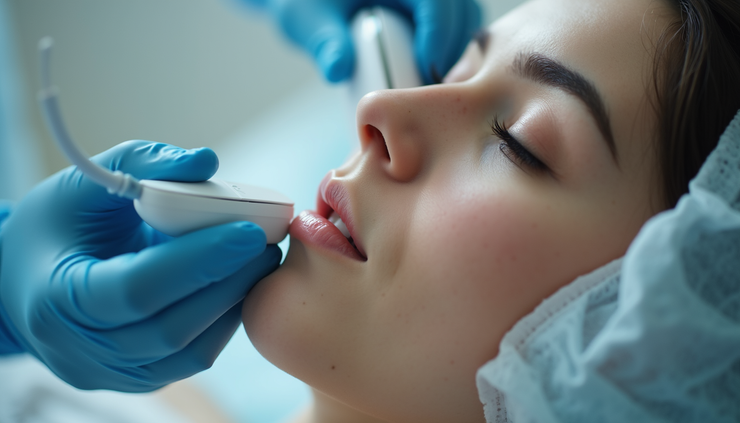
Understanding Hifu and Morpheus8
Before comparing the two, it’s important to understand what each treatment involves.
Hifu (High-Intensity Focused Ultrasound) uses ultrasound energy to target deep layers of the skin. It heats these layers to stimulate collagen production without damaging the surface.
Morpheus8 combines microneedling with radiofrequency (RF) energy. Tiny needles penetrate the skin while RF heats the tissue, promoting collagen and elastin production.
Both treatments aim to tighten skin and improve texture, but their methods and results differ.
How Hifu Works Better for Skin Tightening
Hifu’s focused ultrasound energy reaches deeper skin layers, including the SMAS (superficial musculoaponeurotic system), which is the same layer targeted in surgical facelifts. This deep penetration allows Hifu to:
Lift and tighten skin more effectively by stimulating collagen production at a structural level.
Provide longer-lasting results because it targets foundational skin layers.
Cause minimal downtime since it does not damage the skin surface.
Morpheus8, while effective for skin resurfacing and improving texture, primarily targets the dermis and epidermis. It does not reach the SMAS layer, limiting its ability to lift skin as dramatically as Hifu.
Comfort and Recovery Experience
Many patients report that Hifu treatments are more comfortable compared to Morpheus8. The reasons include:
Hifu is non-invasive and does not involve needles, reducing discomfort.
Morpheus8’s microneedling can cause redness, swelling, and minor bruising, requiring a few days of recovery.
Hifu treatments typically have no visible side effects, allowing patients to resume daily activities immediately.
For those seeking a quick procedure with minimal recovery, Hifu offers a clear advantage.
Treatment Duration and Number of Sessions
Hifu treatments usually take about 30 to 60 minutes per session, with many patients seeing noticeable results after just one session. The collagen-building process continues over 2 to 3 months, enhancing skin firmness gradually.
Morpheus8 often requires multiple sessions spaced weeks apart to achieve similar improvements. The microneedling aspect means the skin needs time to heal between treatments.
This means Hifu can be more convenient for busy individuals who want effective results with fewer visits.
Versatility and Areas Treated
Hifu is versatile and can be used on various parts of the face and neck, including:
Jawline and chin for contouring
Forehead and brow for lifting
Neck for tightening loose skin
Morpheus8 is also versatile but is often preferred for treating acne scars, pigmentation, and skin texture irregularities rather than deep lifting.
If your primary goal is skin tightening and lifting, Hifu’s ability to target deeper layers makes it the superior choice.
Safety and Side Effects
Both treatments are generally safe when performed by trained professionals. However, Hifu’s non-invasive nature reduces the risk of side effects such as:
Infection or prolonged redness
Skin irritation from needles
Post-treatment peeling or scabbing
Morpheus8’s microneedling component carries a slightly higher risk of minor side effects due to skin penetration.
Cost Considerations
Hifu treatments may have a higher upfront cost per session, but fewer sessions are usually needed. Morpheus8 might seem less expensive per session but requires multiple visits, which can add up.
When considering cost-effectiveness, Hifu often provides better value for those focused on skin tightening and lifting.
Real-World Examples
A 45-year-old patient seeking a non-surgical facelift chose Hifu and noticed a visible lift in the jawline and reduced sagging after one session, with no downtime.
Another patient with acne scars opted for Morpheus8 and saw improved skin texture but did not experience significant lifting.
Clinics report higher patient satisfaction rates with Hifu for tightening purposes, while Morpheus8 is favored for resurfacing and scar treatment.
Summary of Key Differences
Feature | Hifu | Morpheus8 |
Technology | Focused ultrasound | Microneedling + radiofrequency |
Depth of penetration | Deep (SMAS layer) | Superficial to mid-dermis |
Primary benefit | Skin lifting and tightening | Skin resurfacing and texture |
Number of sessions | Usually 1-2 | Multiple (3-4 or more) |
Downtime | Minimal to none | Some redness and swelling |
Comfort level | Generally more comfortable | Some discomfort due to needles |
Side effects | Rare and mild | Possible redness, bruising |
Cost-effectiveness | Higher upfront, fewer sessions | Lower per session, more sessions |
Final Thoughts on Choosing Hifu
For those focused on skin tightening, lifting, and long-lasting results, Hifu offers clear advantages. Its ability to reach deep skin layers, minimal downtime, and fewer treatment sessions make it a practical and effective choice.
If your goal includes improving skin texture or treating scars, Morpheus8 may complement your skincare routine. However, when comparing the two for overall skin tightening, Hifu stands out as the superior option.
Consider consulting with a qualified skincare professional to discuss your specific needs and determine the best treatment plan. Choosing the right procedure can help you achieve a youthful, firmer appearance with confidence.


Comments